Who Should You Hire to Make UGC Ads for Your E-Commerce Brand?
How e-commerce brands choose who makes their UGC ads: studio team vs marketplace, freelancer, or AI, with flat pricing from $199 and 3 to 5 hooks per test.
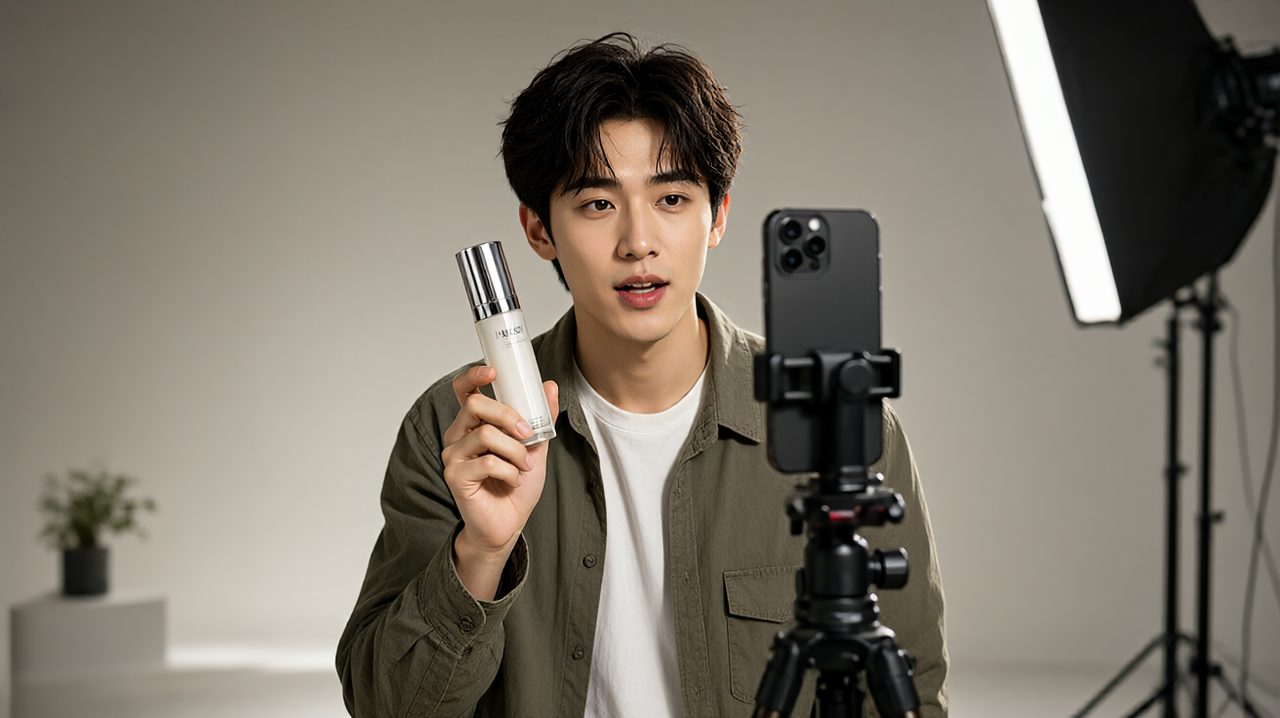
Hire a studio production team that films real actors with your real product, not a creator marketplace, not a freelancer you have to manage, and not an AI generator. For most e-commerce brands, the winning hire writes the script around one buyer problem, films 3 to 5 hook variations in one session, and delivers vertical cuts ready for TikTok, Reels, and Amazon, at a flat price you know before filming starts.
UGC style ads work because they feel like a real person recommending a product, not a brand interrupting a feed. That feel is easy to describe and hard to deliver consistently. The person on camera has to be believable, the product has to look exactly as it will arrive, the first 2 seconds have to stop a thumb, and the claim has to survive a skeptical shopper checking your reviews. Who you hire decides whether you get all four, week after week, or a folder of clips you cannot run.
Who should I hire to make UGC ads for my e-commerce brand?
Start by matching the hiring model to the job. There are 4 common routes, and each fails in a different way. Creator marketplaces give you volume and variety, but quality, claims, and delivery dates vary by person, and your best creator may not be available for round two. Freelance creators can be excellent, but you become the producer, chasing scripts, revisions, and files. AI generators are fast and cheap, but shoppers spot warped labels, changing products, and unnatural hands, and a product that looks different in the ad than in the box drives returns. A studio team that shoots UGC style content gives you the native look with production control, the same actors, sets, and process every time.
- Real actor, real product: the item on camera is the item that ships, filmed, not generated.
- Script included: written around one buyer problem and one verifiable claim per ad.
- Hook variations built in: 3 to 5 openings filmed per concept so testing does not need a reshoot.
- Flat pricing in writing: actor, script, edit, captions, and usage named before you pay.
- Repeatability: the same team can make the follow up ad next month at the same standard.
That studio model is how Envy Creative works: more than 5,000 videos delivered for more than 2,000 brands, a 38 percent return client rate, and a 5,000 square foot studio in Simi Valley, California. Scriptwriting, professional talent and locations, editing, motion graphics, captions and subtitles, multiple aspect ratios, and platform optimization are included, so a brand launches finished ads instead of managing a production.
How much does a UGC ad cost when a studio makes it?
At Envy Creative, studio quality UGC and vertical ads start from $199, Amazon product videos start from $150, and commercial explainer videos start from $500, with an overall range of $150 to $5,000 or more and no hidden fees. Up to 3 actors are included on commercial and TikTok videos, and online use on YouTube, social, your website, Amazon, CTV and OTT, and paid ads is included. Broadcast TV, film, and radio need an extended license or buyout, so ask about usage before you compare any quote.
Compare total cost per usable ad, not cost per clip delivered. A cheap clip with no script, no captions, one aspect ratio, and no paid ad usage is not cheap once you pay to fix it. Ask every candidate the same 5 questions: who writes the script, how many actors are included, how many revisions do I get, which formats are delivered, and where can I legally run the ad. The answers separate a finished ad from raw material in about one email.
What should I check before I hire anyone for UGC ads?
Watch full ads the team has delivered, not a highlight reel, and watch them at phone size with the sound off, the way your buyers will see them. Check that the product is handled correctly, that its size and texture read clearly, and that each ad makes one claim you can verify on your own product page. Then check turnaround in writing. Overall turnaround at Envy Creative runs 7 to 30 days, with UGC at 7 business days, commercials and long form at 21 days, and Amazon product videos at 30 days, with rush delivery available when a launch date is fixed.
Run a disciplined first test. Send 1 product, 1 buyer problem, and 1 claim, and order 3 to 5 hook variations of the same demonstration. Put equal spend behind each, keep the claim and the demonstration constant, and let the hook be the only variable. Keep the winner, retire the rest, and brief round two around what the comments and click through data actually said. Brands that treat the first order as a test with a known flat cost learn faster than brands that bet a quarter of budget on one polished video.
If you are hiring now, send the same one page brief to your top 3 candidates: the product, the target buyer, the one claim, the demonstration that must appear on camera, the placements and formats you need, the deadline, and who approves. Score the replies on the questions they ask about your product and your buyer. Then talk to Envy Creative about UGC ads filmed with real actors and your real product, at a flat price, with the hooks you need to test properly from day one.
Frequently asked questions
Is a studio UGC ad still authentic if it is scripted?
Yes, when the script is built from real buyer language, reviews, support questions, and objections, and a real actor delivers it naturally on camera. Authenticity comes from a believable person, a real product, and a true claim, not from improvising in a bedroom with no brief.
How many UGC ads should an e-commerce brand test at once?
Start with 3 to 5 hook variations of one strong demonstration. That is enough to find a winning opening without splitting spend so thin that nothing reaches a clear result, and it keeps the claim constant so you know the hook did the work.
Why not just use an AI UGC generator?
Because the ad has to match the product that arrives. Generated clips can warp labels, change the product mid shot, and create hands and faces shoppers distrust. Filmed ads show your actual product in a real hand, which protects conversion and keeps return reasons from turning into a trust problem.