Don't Hire Influencers for Video Marketing: Here's Why
Influencer posts rent attention you cannot reuse or direct. Brand-directed video with cast actors, conversion scripts, and footage you own converts better and compounds over time.
Why Brands Keep Hiring Influencers (And Regretting It)
It usually starts with a screenshot. A founder or marketing lead sees an influencer with half a million followers holding a product, imagines that reach pointed at their brand, and wires a few thousand dollars for a single post. Three weeks later the post has 40,000 views, a handful of link clicks, and zero attributed sales. The influencer has moved on to the next brand deal. Your brand gets nothing you can reuse.
This pattern repeats because brands confuse distribution with persuasion. An influencer gives you a one-time rental of someone else's attention. Video marketing that actually converts needs something entirely different: creative you own, messaging you control, and performances directed to sell.
The Attention Is Not Yours, and It Converts Worse Than You Think
Influencers built their audience around themselves, not your product. When they mention your brand, their followers process it as background noise between the content they actually came for. Sponsored influencer content follows a familiar curve: strong impressions, soft engagement, and conversion rates that make your paid social look like a bargain by comparison.
The math gets worse once you measure what you kept, not what you rented. A $3,000 influencer post with 50,000 views sounds cheap until you list what came with it: footage you cannot reuse, a message you cannot edit, creative you cannot run as a paid ad without negotiating whitelisting rights, and not a single variable you can test. A professionally produced video you own outright can run across Meta, TikTok, YouTube, and your Amazon listing for years, with new hooks and CTAs tested the whole way. One is an expense. The other is an asset.
You Cannot Direct What You Do Not Own
The deeper problem is creative control. With an influencer, you get a loosely briefed person filming on a phone, in their apartment, with their lighting, delivering your value props in their cadence. If the read is flat, the hook is weak, or the demo skips the feature that actually sells, you have almost no leverage to fix it. You approved a deliverable, not an outcome.
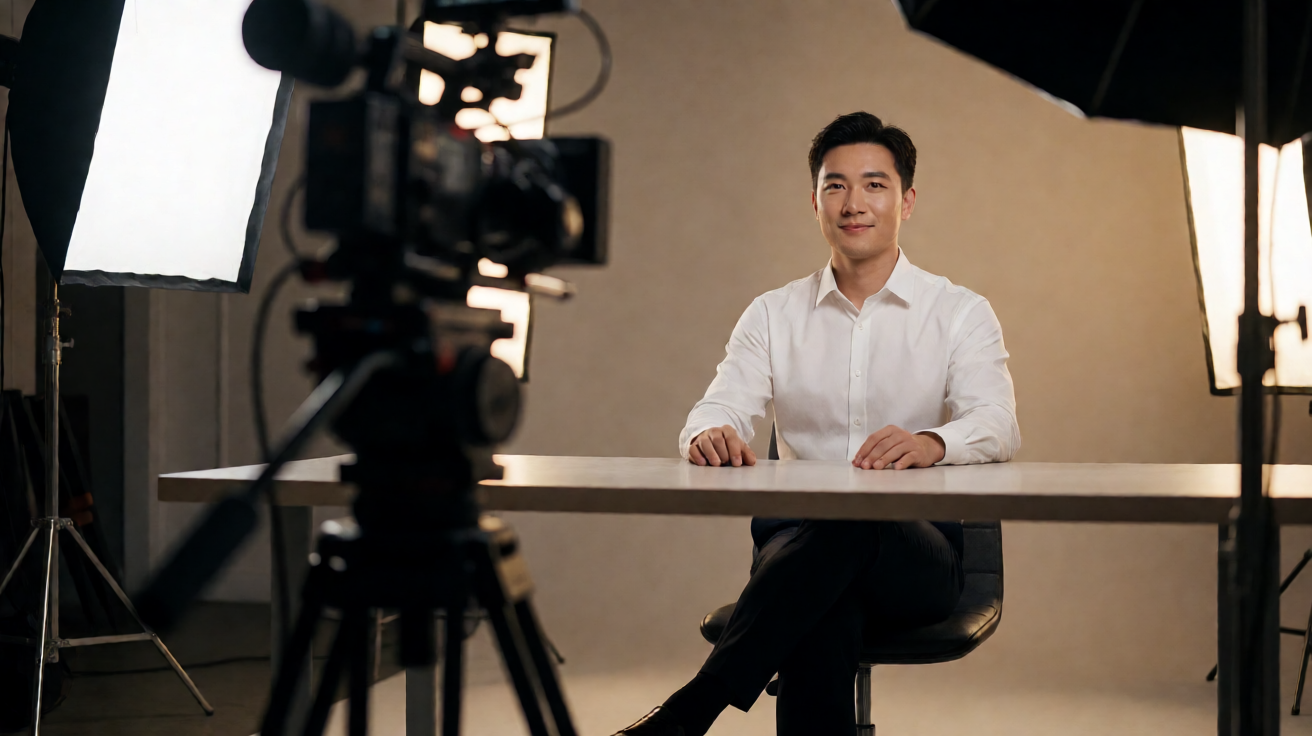
Professional video creative flips the dynamic. Working with a full-service production team means the script is written to convert, the actor is cast for your demographic, the performance is directed take after take, and the edit is built around the hook that stops the scroll. Every variable that matters sits under your control, which means every miss is fixable and every win is repeatable.
What Actually Works: Directed Creators, Not Rented Fame
None of this means on-camera talent does not matter. It matters enormously. The difference is whether the talent works for you or you work around them. The winning model looks like this:
- Cast vetted actors, not celebrities. You want a face your buyer trusts, not one with a million followers. A relatable creator holding your actual product on camera outperforms a disengaged influencer skimming a script they barely read.
- Write the script around one idea. Influencer content entertains first and sells second. Brand-directed creative does the opposite: one pain point, one proof point, one call to action, delivered inside the first three seconds.
- Direct the performance. The gap between a line that converts and a line that gets skipped is pacing, emphasis, and energy. A director catches it on set. An influencer winging it in their kitchen does not.
- Own the footage. Your best-performing creative should be an asset, not a rental. Own the raw files, cut fresh hooks every month, and build a library that compounds instead of starting from zero with every campaign.
- Test like a media buyer. Because you control the creative, you can iterate: new hook, same body. Same hook, new CTA. An influencer post gives you one shot. Owned creative gives you fifty.
The Follower Count Is a Vanity Metric
Ask any performance marketer what moves a conversion rate and the answer is never the creator's follower count. It is the hook, the clarity of the demo, the specificity of the proof, and the strength of the CTA. None of those come from an audience number. All of them come from craft.
There is also the uncomfortable truth about borrowed audiences. Engagement pods, bot followers, and misaligned demographics mean the reach number on an influencer media kit is often the least reliable figure in your entire marketing budget. You are paying a premium for a number that was never yours and never converts like it claims.
Stop Renting Attention. Start Building Assets.
The brands winning with video right now are not chasing the influencer with the biggest audience. They are building libraries of sharp, directed, conversion-focused creative with talent they cast, scripts they wrote, and footage they own. Each video is a permanent asset that keeps selling long after the shoot wraps, instead of a 24-hour story that evaporates by morning.
If you are tired of paying for posts that disappear, switch to creative that compounds. Envy Creative produces brand-directed video with vetted actors, professional sets, and scripts built to convert, so every dollar you spend becomes an asset you keep.