Bravery in Brand Videos Is the Most Important KPI
Safe brand videos get skipped. Learn why creative bravery is the upstream KPI that determines watch time, recall, and revenue.
The metrics you report are lying to you
Every month, marketing teams pull the same video report: views, impressions, average watch time, click-through rate. The numbers look respectable, the dashboard is green, and nobody asks the hard question. Did anyone actually remember this video five minutes after watching it? Safe, committee-approved brand videos get finished at decent rates because they never give anyone a reason to look away. They also never give anyone a reason to care. That is the quiet crisis in brand video: campaigns that perform fine on paper and do nothing in the market.
Here is the metric nobody puts in the deck, the one that predicts every metric they do put in the deck: bravery. The willingness to ship a concept that could have been rejected. Every brand video that ever broke through a crowded feed, started a conversation, or converted a skeptic shared this trait. They chose the interesting idea over the defensible one. Bravery is not an aesthetic choice. It is the upstream KPI that determines whether every downstream number means anything at all.
Why safe content has a hidden cost
Safe content fails quietly, which is why teams keep making it. A generic brand video does not bomb. It accumulates a few thousand views, the team screenshots the dashboard, and the budget rolls over to the next quarter. But the opportunity cost is brutal. That same budget could have funded a spot people quote, share, and replay. Instead it bought silence at scale.
Consider what the feed rewards. Platforms optimize for retention and sharing, both driven by emotional response. Surprise, delight, tension, humor, and even mild controversy create the pattern interrupt that stops a thumb mid-scroll. A video that offends no one surprises no one, and content that surprises no one gets skipped, not because it is bad, but because it is indistinguishable from everything around it. The algorithm reads indifference as irrelevance and buries it. Your 'safe' video is not just forgettable, it is actively suppressing its own distribution.
What bravery actually looks like in practice
Bravery is not weirdness for its own sake. Shock value without strategy is just noise, and audiences can smell the difference instantly. Real creative bravery has a structure.
- A sharp point of view. The video believes something. It takes a stance about the category, the customer, or the culture, instead of hedging toward a universal platitude. Stances create tribes, and tribes convert.
- Specificity over universality. Brave videos name names, show real places, and use real voices. Generic stock-footage energy is the opposite of brave, because it lets the brand hide behind polish.
- A real hook, earned fast. The first three seconds make a promise the rest of the video keeps. Brave hooks risk being misunderstood by the wrong audience, which is exactly why the right audience leans in.
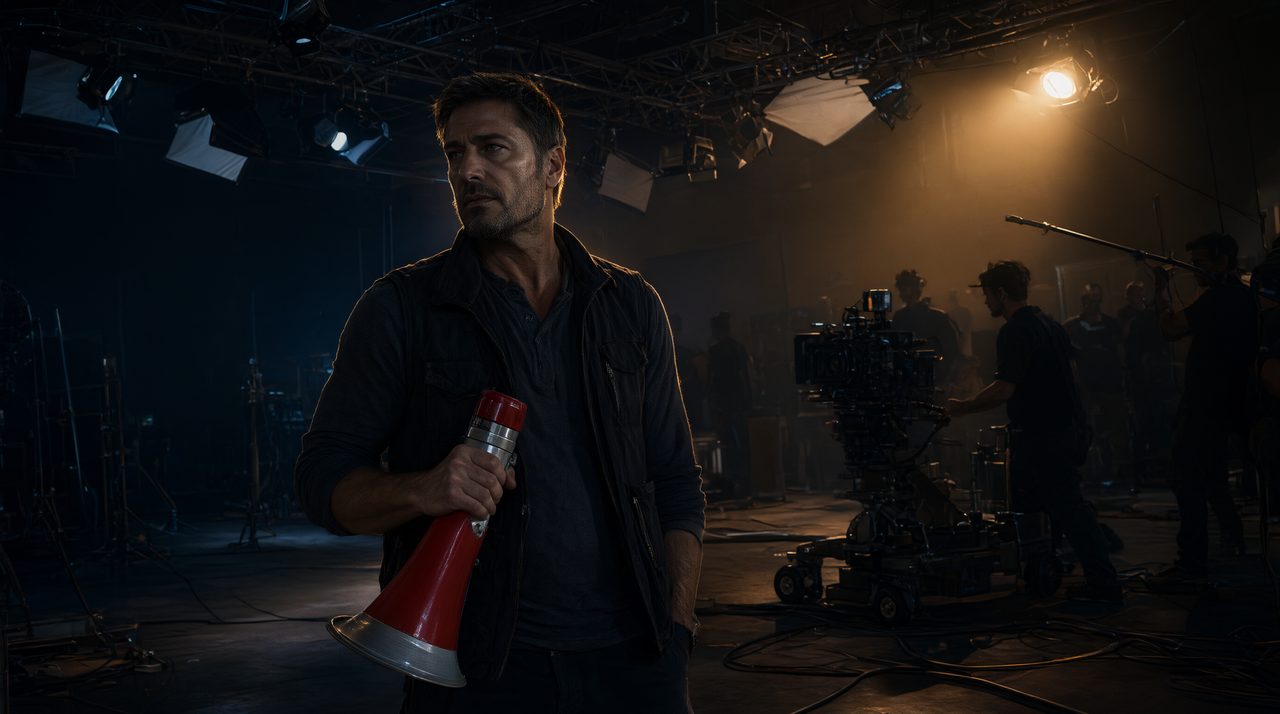
- Craft that signals intent. Bold concepts die when production values cannot support them. Cinematic lighting, deliberate casting, and real sets tell the viewer the risk was taken on purpose.
When Envy Creative develops a commercial, this framework guides every creative review. The question is never 'will everyone like this,' because that question produces the same forgettable output every category already has. The question is 'who will love this, and what will it make them do.' Liking is passive. Loving is active, and only active audiences share, click, and buy.
How to measure bravery before you ship
You cannot A/B test courage, but you can run a pre-launch checklist that predicts whether a video will earn attention or merely occupy inventory.
- The scroll-stop test. Show the first three seconds to someone unfamiliar with the brief. If their thumb does not stop, the concept is not finished.
- The quote test. Is there a line, image, or moment a viewer could describe to a friend? 'There is this video where...' is the most valuable sentence in marketing, and it requires a memorable peak.
- The objection test. Can someone on the team articulate a reason the video might not work? If nobody can, the concept is probably too safe to matter. Every brave video has a genuine dissent on record somewhere.
- The brand-fit test. Remove the logo. Would a viewer still know whose video this is? If not, bravery is leaking out through generic creative choices.
- The rewatch test. Would anyone watch it twice? Rewatchability is the purest signal of emotional resonance, and it is nearly impossible to fake.
Getting brave ideas approved without losing your job
The biggest obstacle to brave brand videos is not the agency, it is the approval chain. Marketers agree with bold thinking in private and retreat to safe thinking in the meeting. The fix is process, not personality.
First, separate the review. One round evaluates strategic fit, the next evaluates creative execution. When executives judge strategy and craft simultaneously, craft always loses. Second, bring one brave option alongside the expected one, and present the brave one first. Anchoring matters: once a room has seen the interesting version, the safe version looks expensive. Third, reframe the risk. The question is not 'what if the bold video underperforms,' it is 'what does the safe video cost us in attention we never win.' Put the opportunity cost in the deck and the room changes.
The riskiest thing a brand can do with video is to be boring on purpose. Indifference is the only metric that compounds against you.
Bravery compounds across campaigns
One brave video is an event. A pattern of them is a brand. Audiences learn to expect the unexpected from brands that take creative swings, and that expectation becomes its own distribution channel. Followers watch the next video because the last one surprised them. This is why the most valuable video asset a brand owns is not a library of content, it is a reputation for making content worth watching.
That reputation starts with a single decision: approve the version that made the room uncomfortable. Then make it exceptionally well. The brands dominating your feed all made that decision repeatedly, long before they dominated anything. The budget is the same either way. Bravery is the only variable that changes what it buys. Talk to the team at Envy Creative when you are ready to make the interesting version.