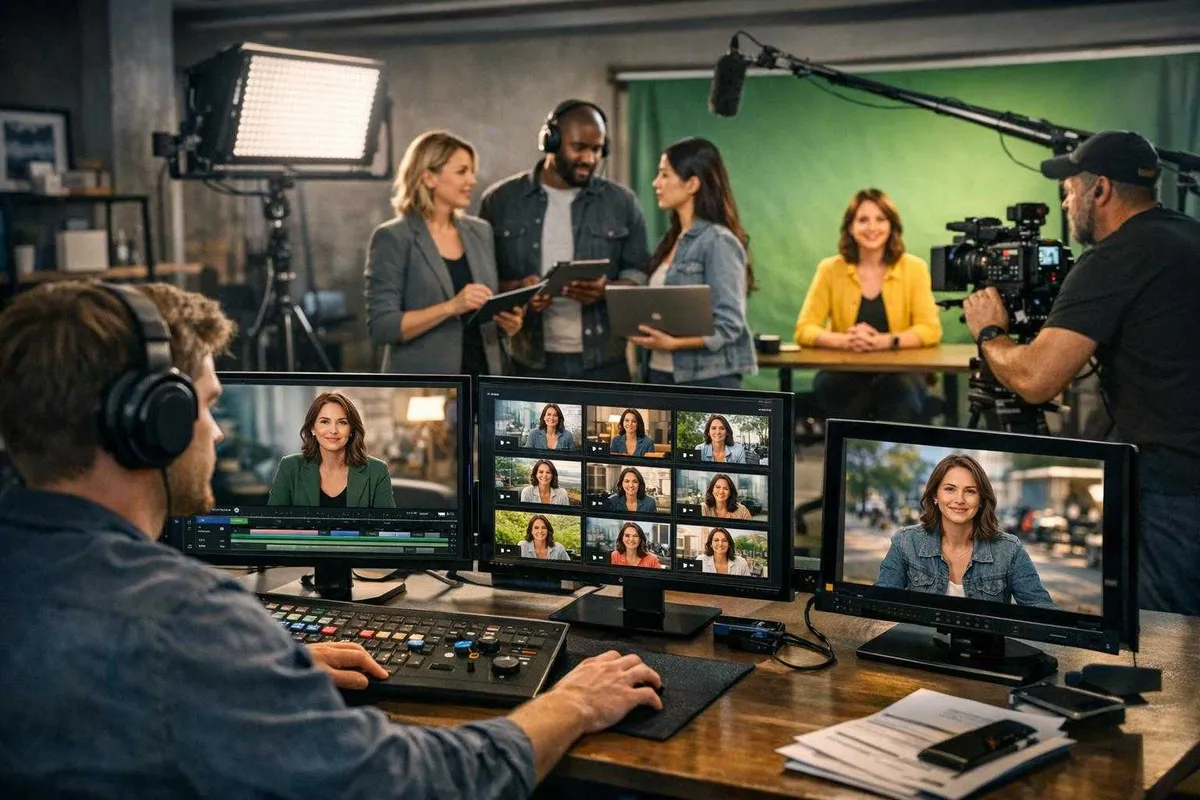
Video Marketing: Finding Help for Multiple Video Versions
Discover how to scale your video marketing with expert help for multiple video versions across platforms and languages. Learn practical strategies for outsourcing video editing, localization, and version control to accelerate campaigns and boost engagement.
Why versions matter in modern video marketing
As a creative director at Envy Creative, I've spent a decade helping brands scale video campaigns across platforms, audiences, and messaging goals. The truth is simple, decision-makers: one cut won't cut it anymore. Different platforms require different aspect ratios, different lengths, and different hooks, and your messaging needs small shifts when you're speaking to buyers, partners, or internal stakeholders. If your team is wrestling with multiple versions of the same video, this post offers practical ways to find help, streamline production, and keep quality high without exploding your budget.
Video Marketing: Finding Help for Multiple Video Versions
Common pain points I see with clients
I've been in rooms where the CEO wants a 90-second brand story, social asks for 15- and 30-second teasers, the product team insists on a demo clip, and paid media wants vertical formats. The project that started as a single concept ends up as a dozen deliverables, and suddenly stakeholders are pointing fingers at creative, production, and procurement. Typical pain points: scope creep, inconsistent creative across versions, rising post costs, and long turnaround times. Recognizing these early helps you find the right external partners and set expectations internally.
How to decide which versions you actually need
Start with strategy, not formats: who are you talking to, where will they watch, and what action do you want? Make a prioritized list of versions rather than a wish list. I recommend three tiers: core hero pieces for brand or landing pages, mid-form edits for email and paid social, and micro versions for stories and retargeting. Limit the micro versions to variations of hooks and CTAs, rather than entirely new shoots; this reduces cost and keeps creative consistent.
Finding the right external help
When you look outside for help, match the vendor to the task. For multiple versions, look for agencies or vendors with repeatable workflows: template-based edit systems, experienced motion designers who can automate aspect ratio changes, and producers who understand multi-platform deliverables. Ask for case studies showing variation work, and request a clear breakdown of how they handle source assets, versioning, and QC. Envy Creative built internal processes for exactly this, we automate transcodes, track deliverables in shared spreadsheets, and use master edit timelines so every version stays on-brand.
Checklist to vet vendors quickly
Here are practical questions to ask during the RFP or discovery call, use them to filter vendors fast:
- Can you provide examples of the same campaign delivered in multiple formats and lengths?
- Do you use templates or an asset library to speed up versioning?
- What's your approach to audio mixes and captioning across versions?
- How do you manage approvals and stakeholder comments at scale?
- What is your typical turnaround for 3-5 versions after a final cut is approved?
Workflow habits that save time and money
In production, invest in a strong master edit and a clear labeling convention for assets. We call them master timelines, they become the single source of truth, so when you need a vertical crop or a 6-second bumper, editors can spin those from the master rather than rebuilding. Use proxies for faster edits, lock picture before sound design starts, and batch export versions overnight. These habits shave days off delivery, and reduce revisions which is where budgets quickly balloon.
A real project example
One of my favorite examples involved a B2B client launching a new SaaS feature. The original brief was a 90-second product story, but the campaign needed 30- and 15-second ads, a vertical social cut, and a short explainer for the sales team. We shot comprehensive coverage: modular scenes, multiple angles, and five different on-camera soundbites. In post, we built a master edit with clear in/out points for modular swaps, then exported variants using a template system. The client loved that each version felt tailored, yet the visual language stayed consistent. That project taught me, invest in modular shoots and tooling up front, you save exponentially on post.
Pricing structures to consider
Vendors price versioning in different ways, so choose a model based on predictability and control. Option A, per-version pricing, is simple but can add up if you undercount needs. Option B, bundled packages, gives a fixed scope for predictable budgets. Option C, retainer or subscription, works for ongoing content demands where you need steady throughput. At Envy Creative, we often recommend a hybrid: a fixed fee for the hero piece, plus a per-version rate that drops as volume increases, this rewards scale and keeps incentives aligned.
Tools and tech that speed up versioning
There are practical tools that can make your life easier: collaborative review platforms to capture time-stamped feedback, editing automations that retime and reframe, and captioning services that produce burn-in and SRT files in parallel. File management matters, use cloud systems with clear folder hierarchies and naming conventions. If your vendor can hand off an organized package, your media-buying or account teams will be able to deploy quickly without extra work.
How to keep creative quality high across versions
Consistency comes from a strong core idea and rigorous brand guidelines. Make sure everyone has a style frame, a color pass, and audio standards. Train your in-house approvers on what to sign off at each stage: approve picture lock before you approve music changes, and approve sound before you start mastering. A mistake I see often is approving small visual tweaks at the last minute, which then forces re-rendering across dozens of versions, increasing costs and delaying launches.
When to bring Envy Creative into the conversation
If you're deciding what to outsource and want a partner who knows how to scale, take a look at our approach: we focus on master edit workflows, template systems, and a production playbook designed for multi-version delivery. For a direct conversation about a campaign, or if you want a proposal that lays out exact deliverables and pricing models, visit thinkenvy.com and let’s talk about a custom plan that fits your needs.
Final recommendations for decision-makers
Summing up: start with strategy, prioritize versions that map to measurable outcomes, and choose partners who demonstrate repeatable, scalable workflows. Protect your budget by locking creative earlier, use modular production methods, and insist on organized handoffs. With the right partner and process, you can deliver multiple versions without sacrificing brand integrity or blowing the timeline.
Next steps and closing thoughts
If you want help building a versioning plan for a major campaign, or a partner who can handle everything from script to multi-format delivery, Envy Creative has helped dozens of brands with exactly this challenge. Reach out mid-project or at brief stage, we adapt to your cadence and scale with your needs. For custom video content and to discuss how we can produce consistent, high-quality versions at scale, visit thinkenvy.com, we’ll map the strategy, production, and delivery so your campaign launches smoothly.