YouTube's AI Disclosure Rules: Why Authentic Video is the Ultimate B2B Trust Builder
YouTube's new policy mandates disclosure of realistic synthetic and AI-generated content. For B2B companies, this crackdown highlights the rising importance of human-first, professional video production in building audience trust.
A Short Story About a Fake Pitch
A few weeks ago, I was sitting at my desk drinking my second cup of coffee and reviewing video pitches from prospective marketing partners. One presentation stood out, or so I thought. It featured a polished spokesperson in a sharp suit speaking from what looked like a high-end corporate office. But within three seconds, my stomach sank. The spokesperson's mouth movements were slightly delayed, their eyes blinked at a rhythmic, mechanical frequency, and the voice lacked the natural cadence of human speech. It was a deepfake. I closed the window and deleted the email. Just like that, the trust was completely gone. In the world of business, credibility is your most valuable currency, and trying to shortcut it with synthetic avatars is a fast track to losing clients.
This incident is not isolated. The internet is being flooded with synthetic content, leading major platforms to take action. YouTube has introduced strict policies regarding AI-generated media. As digital creators and business leaders, we need to understand what this means. The platform now requires creators to disclose when they use AI to generate or alter realistic video or audio. If your video depicts a real person saying or doing something they did not do, or alters a real event, you must check the disclosure box. If you fail to do so, you face serious consequences under their three-strike enforcement policy, which includes losing access to monetization or channel suspension.
Understanding YouTube's Altered Content Rules
Let us look closely at what YouTube is targeting. The platform is focusing on realistic synthetic content that could mislead viewers. If you use AI to create a video of a well-known CEO reviewing your product when they never did, that requires disclosure. If you clone a voice to narrate a documentary, that also requires disclosure. The goal is transparency. When a viewer watches a video on YouTube, they should know whether they are looking at real human activity or an algorithm's output.
Here is what YouTube requires creators to label:
- Content that makes a real person appear to say or do something they did not actually do
- Altered footage of real-world events or places that makes them look different than they actually are
- Synthetic voices used to narrate scenes or voice cloned characters in a realistic way
However, YouTube is not banning AI tools altogether. They have clarified that standard production assistance does not require disclosure. For instance, if you use AI to generate a script outline, create a thumbnail, write captions, clean up background noise, or apply color grading, you do not need to label the video. The policy targets content where the core reality of the footage is altered or fabricated. This distinction is crucial for marketing teams. While AI can speed up your writing and editing workflow, relying on it to represent your brand's face or voice is where the danger lies.
The Trust Deficit of Synthetic B2B Marketing
For B2B brands, video marketing is about building relationships. Business decisions involve significant financial investments and long-term commitments. Decision-makers do not buy from anonymous entities; they buy from people they trust. When a company uses synthetic spokespeople or automated video generators, it sends a signal that they are willing to take shortcuts with their brand presence. If a brand shortcuts its own marketing, a prospect will naturally wonder if they will shortcut their services or products as well.
Furthermore, the platforms themselves are actively deprioritizing what they call inauthentic content. This automated slop is designed to game the system rather than provide genuine value. Search engines and video platforms are updating their algorithms to reward original, high-utility content created by real people. If your strategy relies on pumping out dozens of cheap, AI-generated videos every week, you are fighting a losing battle against algorithm updates. You risk demonetization, shadowbanning, and a damaged brand reputation.
If you want to bypass the digital shortcuts and build real human connection, you can partner with the team at Envy Creative for custom video content that elevates your brand and builds lasting trust with your audience.
The True Power of Professional Production Value
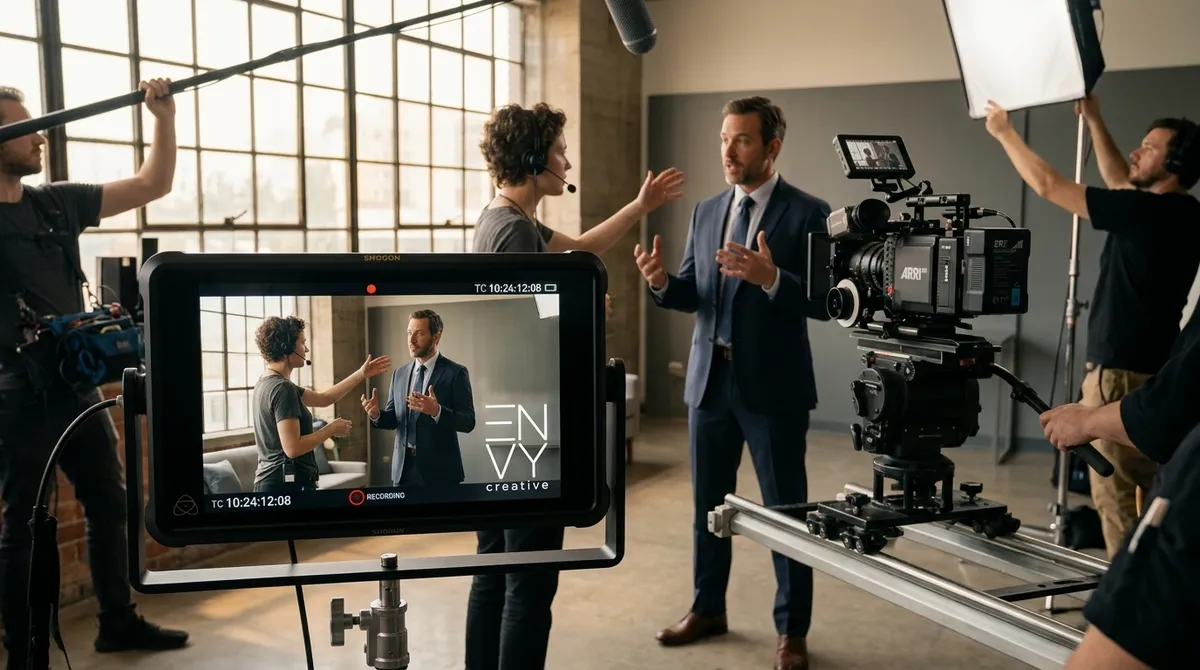
There is a massive difference between a synthetic video and a professionally produced commercial. High-quality video production is not just about having a sharp camera. It is about storytelling, human emotion, lighting, and pacing. When you film a real founder, employee, or client, you capture authentic micro-expressions, genuine enthusiasm, and spontaneous moments of humor that no AI model can replicate. These human elements are what trigger empathy and drive conversions.
Professional production also signals to your market that you are a serious, established player. When a prospect views a video with cinematic lighting, crisp audio, and professional art direction, they associate that level of quality with your brand. They assume that your attention to detail in your marketing reflects your attention to detail in your client relationships. This is why investing in authentic production pays dividends over time. It establishes you as an authority in your space, justifying premium pricing and attracting higher-value clients.
Building a Future-Proof Video Strategy
To navigate the changing landscape, businesses must shift their focus from quantity to quality. Instead of creating hundreds of low-effort, automated video assets, focus on creating a suite of high-impact, authentic videos that serve specific goals. Start with a premium brand story video for your homepage, a series of authentic client case study videos, and targeted product demonstrations featuring your real team members. These assets will remain valuable for years without the risk of platform penalties or algorithmic updates.
You can use digital tools to plan your distribution, analyze campaign performance, or manage your review pipeline, but keep the core of your content human. For instance, when setting up video campaigns, tools like Google Ads can target your buyers, but the creative itself must speak to them on a human level. By aligning genuine storytelling with professional execution, you create assets that build real equity for your brand.
Do not let your brand get lost in the noise of digital AI slop. Get in touch with Envy Creative for custom video content today, and let us help you create videos that stand out, build trust, and drive measurable business growth.