Smartphone Video Marketing That Actually Looks Like a Business Asset
Smartphone video can help small businesses move fast, test ideas, and build trust, but it works best when it is treated as a strategic creative system rather than random clips. This guide shows what to film, how to plan for vertical platforms, and where Envy Creative can turn raw ideas into polished campaigns.
Smartphone video marketing has become the small business owner’s fastest way to get in front of buyers, but speed alone is not the strategy. The businesses winning with phone-shot video are not just pointing a camera at something and hoping the algorithm feels generous. They are using smartphones to capture real stories, test creative angles, answer buyer questions, and feed a larger video marketing system that can scale into polished brand, product, testimonial, and paid ad content.
I have seen this play out on shoots more times than I can count. A founder will casually show us a phone clip they recorded in the warehouse, shop, clinic, or studio, almost apologizing for how simple it is. Then everyone in the room realizes the clip has the exact human spark the campaign needs. The phone did not make it amateur. The lack of a plan would have. That is the difference.
Why Phone-Shot Video Belongs in the Marketing Mix
Small business video marketing used to feel like an event. Book the crew, write the script, clear the day, shoot the big hero video, then hope it lasts. That still has a place, especially for brand trust and sales enablement, but the modern buyer journey is messier. People discover you in vertical feeds, compare you on search, check social proof, watch a short clip, read reviews, and then maybe land on your website.
Current platform guidance backs this up. Google Ads recommends square and vertical assets for mobile viewers because vertical video gives brands a larger canvas when people hold phones upright. HubSpot reports short-form video as a top ROI-driving content format in 2026. In plain English: your audience is already watching business decisions through a phone screen.
For small businesses, that means smartphone video is not a cheap substitute for professional production. It is a fast creative input. You can use it to listen, test, teach, and document what is already working before investing in a larger campaign.
The Smartest Things to Film First
The biggest mistake is filming whatever is convenient instead of filming what your buyer needs to believe. Start with the moments that reduce doubt. A service business might show a technician explaining the hidden reason a repair fails. A manufacturer might show the product being packed, tested, or installed. A B2B company might record a founder answering the question prospects always ask on sales calls.
Try these smartphone video ideas before you overcomplicate the calendar:
- One problem, one answer: Explain a common customer pain in 30 to 45 seconds.
- Before and after: Show the visible result, then explain what changed.
- Founder perspective: Share why your process, standard, or promise exists.
- Customer proof: Capture a short testimonial in natural language, not a corporate monologue.
- Behind the process: Show the work buyers rarely see but absolutely benefit from.
- Offer explainer: Clarify what someone gets, who it is for, and what to do next.
The best phone videos usually feel specific. “Here is how we prep a product shoot so the label reads clean on camera” beats “We care about quality” every day.
Make It Native to the Screen
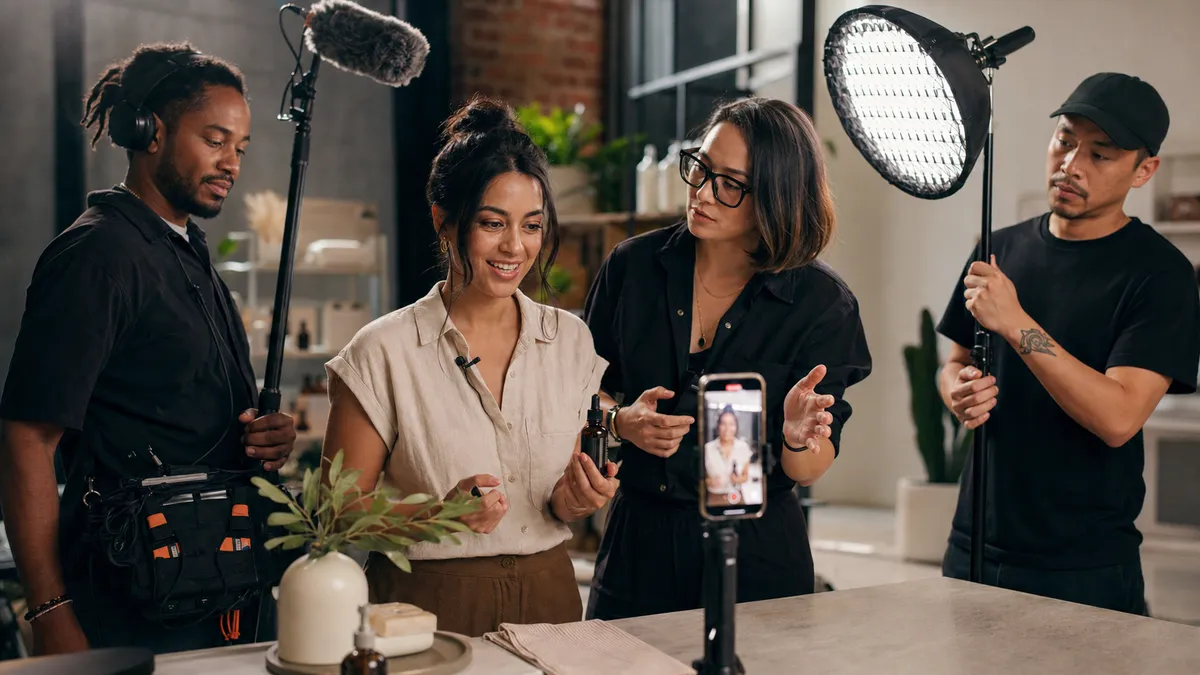
If you are filming for Instagram Reels, TikTok, YouTube Shorts, or mobile ad placements, shoot vertical first. Do not film a wide horizontal scene and crop it later unless you have planned the frame for both. Keep faces and product details large enough to read on a small screen. Use natural light when it looks good, but do not be afraid of a simple LED panel if the room is dim. Clean audio matters more than most people think, so get close to the speaker or use a small wireless mic.
Hooks also matter. TikTok creative guidance emphasizes the first moments of a video, and that is good advice outside TikTok too. Open with the useful part, not a long greeting. Instead of “Hi, I’m the owner of...” try “Most businesses waste money on this shot because they forget one thing.” Your viewer can decide in two seconds whether the clip is worth staying for.
One practical note: add captions or on-screen text thoughtfully. Many people watch with sound low or off, but tiny text crammed into the bottom of a vertical frame gets buried under platform buttons. Keep your text short, high contrast, and away from the edges.
Where DIY Smartphone Video Stops Working
Phone-shot video is excellent for speed, authenticity, and testing. It is less reliable when the stakes are high. If you are launching a new product, building a paid ad campaign, pitching enterprise buyers, recruiting senior talent, or trying to reposition your brand, your creative has to carry more weight. Lighting, art direction, scripting, sound, editing rhythm, color, talent direction, and campaign versioning start to matter.
This is where small businesses can get stuck. They either keep posting casual clips that no longer match the quality of the company, or they jump straight into one expensive video without learning from the phone content first. The stronger approach is a hybrid one: use smartphone video to find the stories and angles that resonate, then turn the winners into a professional video system.
That is exactly where Envy Creative can help with custom video content. A good agency does not erase the authenticity of your business. It sharpens it. We look at what your audience already responds to, then build polished assets that feel intentional across your website, ads, sales decks, social channels, and email campaigns.
A Simple Smartphone Video Workflow
You do not need a massive production calendar to start. You need a repeatable rhythm. Pick one buyer question each week. Write three bullet points, not a full script. Film two or three takes in a real environment. Edit the strongest version into a vertical cut. Then track what happens: saves, comments, watch time, clicks, leads, and sales conversations.
Here is a practical weekly workflow:
- Monday: Choose one buyer question, objection, or proof point.
- Tuesday: Film a vertical answer with a clear opening line.
- Wednesday: Edit to under 60 seconds and add captions.
- Thursday: Publish with a direct caption and simple call to action.
- Friday: Review performance and note what to improve next time.
After four to six weeks, patterns appear. Maybe customer stories outperform product demos. Maybe your audience loves process videos. Maybe your best clips come from the founder, not the marketing team. Those patterns are valuable because they tell you what deserves professional development.
Turn Casual Clips Into a Real Campaign
The real business value comes when smartphone video stops being random content and becomes creative research. Save your best clips. Label them by topic, audience, hook, and result. Look for repeatable themes. Then brief your next professional shoot around the evidence.
For example, if phone-shot customer walkthroughs keep driving quote requests, build a polished testimonial campaign. If quick product comparisons keep getting shared, turn them into a paid social ad series. If founder advice clips build trust, create a brand film or authority series that gives those ideas a stronger visual identity.
This also helps your budget. Instead of paying for guesses, you are investing in concepts that have already shown demand. Professional production then adds the craft your phone cannot reliably deliver: controlled lighting, crisp audio, production design, tighter storytelling, better pacing, and versions built for each channel.
The Buyer Still Has to Feel Something
Smartphone video works because it feels close. Professional video works because it can make that feeling clear, memorable, and persuasive. Small businesses should not choose one forever. Use the phone to capture the pulse of the business. Use production to turn the strongest pulse into a campaign buyers remember.
If you want to start this week, film one honest answer to one real customer question. Keep it vertical, clear, and useful. Then ask what it taught you. When you are ready to turn those rough ideas into a sharper video strategy, talk with Envy Creative about custom video content built for your audience, your sales goals, and the platforms where buyers actually spend time.